
Varg Vikernes: From Musician to Political Myth
Lords of ChaosThis thread follows Vikernes's changing public identity, from isolated musician and scene provocateur to imprisoned nationalist polemicist and enduring media figure.
increasing Bearing strength in each event
 decreasing
Bearing strength in each eventdecreasingA One-Man Project

Burzum Takes Shape
Leaving the band
After leaving Old Funeral, Varg Vikernes began Burzum as a project he could control alone. Its bleak atmosphere and high, strained vocals distinguished it from other bands in the Norwegian network.
A label and a patron
Øystein Aarseth released Burzum through Deathlike Silence Productions and promoted the project within his circle. Vikernes's music gained credibility through its sound as well as through the increasingly theatrical identity surrounding its creator.
Early meanings
The records drew on darkness, fantasy, and ideas that Vikernes would later reinterpret as heathen. At this stage, the public language of Satanism and provocation often obscured how fluid his beliefs and self-presentation remained.
From Count to Chieftain
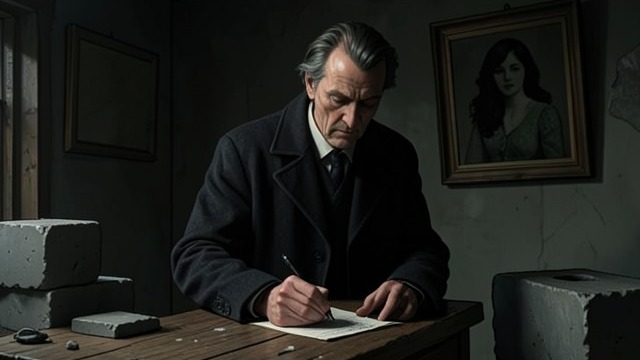
Remaking the Persona
The press creates a Count
After the Bergens Tidende interview, newspapers presented Vikernes as a satanic mastermind. His own theatrical claims helped sustain the image, while he later insisted journalists had distorted or invented important details.
A new ideological frame
In prison, Vikernes increasingly described himself as a heathen nationalist rather than a Satanist. His writing connected Norse mythology, political ideas, and personal accounts of the crimes for which he had been sentenced.
Identity as strategy
The shift did not simply replace one label with another. It turned earlier provocations into a story of ancestral awakening and political purpose, allowing Vikernes to reinterpret his past as the beginning of a larger cause.
Prison and Continued Influence
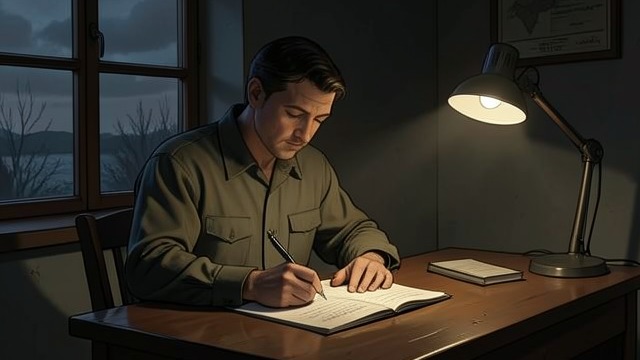
The Prison Platform
A life constrained
Vikernes served his sentence under restrictions that at times limited access to computers, recording equipment, and music. He nevertheless wrote extensively and maintained a public presence through interviews, supporters, and the circulation of his work.
A network beyond the cell
The Heathen Front and related publications offered channels for political ideas, though the book questions how organized or influential these networks were. Vikernes's reputation made his writings more visible than their actual membership might suggest.
Influence and risk
His story illustrates how imprisonment can restrict action without ending a public persona. The authors note his role in the attempted 1997 rescue plot and emphasize that his rhetoric continued to attract attention long after the original Norwegian scene fractured.
1991 to early 1992
1993 to the mid-1990s
1994 to the 2003 new edition preface
